
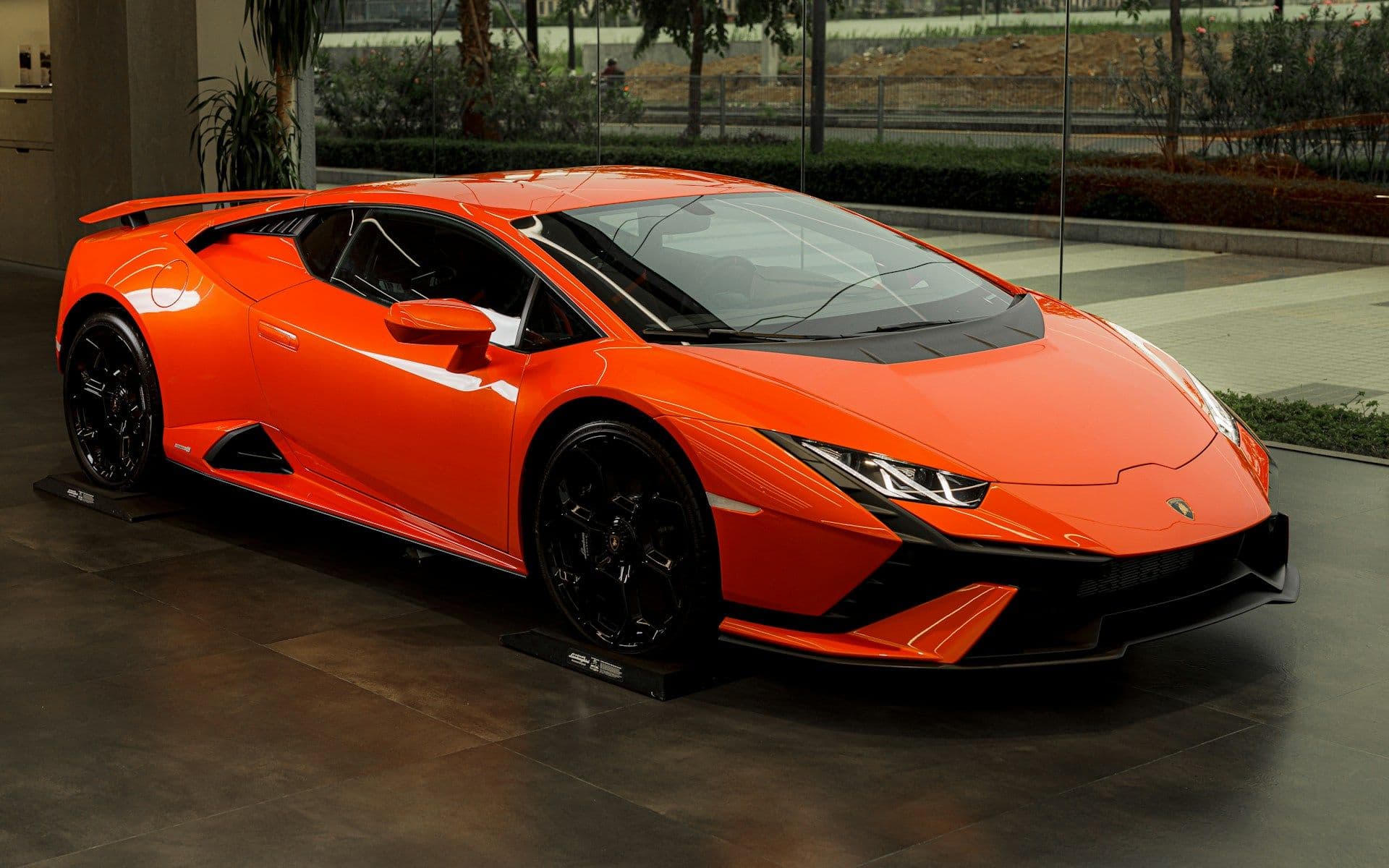
Few words in the automotive dictionary evoke as much passion as “supercar.” These machines are not simply vehicles meant to get from point A to point B; they are rolling expressions of art, engineering, and performance. Supercars symbolize the peak of what is mechanically possible, while also serving as cultural icons.
To enthusiasts, the allure of a supercar lies not just in its power, but also in the way it blends design, history, and technology. From Italian exotics to German precision machines, supercars continue to captivate the world. But what exactly makes them so special?
Defining a Supercar
A common debate among enthusiasts is how to define a supercar. Is it raw horsepower, advanced aerodynamics, or exclusivity? The truth is, it’s a mixture of all these elements.
Supercars typically feature:
- Engines producing extreme horsepower and torque.
- Aerodynamic shapes designed to cut through the air with minimal resistance.
- Exotic materials such as carbon fiber and titanium for weight reduction.
- Interiors crafted with luxury in mind, often handmade with fine leather and unique details.
But beyond specifications, a supercar represents status and aspiration. Owning one is not simply about transport; it is about possessing a piece of automotive heritage.
The Role of Speed
Speed is at the heart of every supercar. From the moment Ferruccio Lamborghini challenged Ferrari with the Miura, supercars have been about pushing the boundaries of velocity. Today, even though regulations limit what can be done on public roads, performance numbers remain a badge of honor.
Top speeds exceeding 200 mph, acceleration from 0–60 mph in under three seconds, and razor-sharp handling are benchmarks. More importantly, these cars provide a feeling of speed that ordinary vehicles cannot replicate. It’s not just numbers; it’s the sensation of power that presses you into the seat.
Design as a Statement
Supercars are instantly recognizable for their dramatic styling. Low-slung bodies, wide stances, and sculpted curves are not just aesthetic choices — they are born from wind tunnel testing and functional necessity.
Take the sharp edges of a Lamborghini or the elegant lines of a Ferrari. Both deliver different visual languages, yet both serve the purpose of maximizing downforce and minimizing drag. Design is where engineering and artistry converge, creating vehicles that are as breathtaking to look at as they are to drive.
"A supercar is not just transportation. It is theater on wheels, designed to stir emotion before the engine even starts."
This statement sums up why design plays such a critical role in the supercar mystique.
The Soundtrack of Power
No discussion of supercars is complete without mentioning the sound. The growl of a naturally aspirated V12, the scream of a V10, or the deep rumble of a V8 — these sounds form an orchestra that is as recognizable as the cars themselves.
Automakers devote as much effort to tuning exhaust notes as they do to refining engines. To enthusiasts, the sound of a supercar is often as important as its performance. It is an audible signature, a calling card that turns heads long before the car comes into view.
Craftsmanship and Exclusivity
Unlike mass-produced vehicles, supercars are often assembled in limited numbers, sometimes even by hand. This exclusivity makes them highly desirable, ensuring demand often outstrips supply. Collectors and enthusiasts are willing to wait years or pay premiums just to own one.
Materials such as Alcantara, forged carbon, and bespoke stitching elevate the interiors. Every detail, from the feel of the steering wheel to the placement of the gear paddles, is designed with precision. Supercars are not only fast, but they are also crafted experiences.
Culture and Legacy
Supercars hold a special place in popular culture. From Hollywood films to racing circuits, they symbolize power and status. Think of the Ferrari Testarossa in Miami Vice, or the Lamborghini Countach plastered across posters in countless bedrooms. These cars inspire dreams, even among those who may never own one.
Racing also plays a significant role. Many supercar manufacturers have their roots in motorsport, using lessons learned on the track to improve road cars. The connection between track and street ensures that supercars remain tied to the heritage of speed.
Challenges in the Modern Era
While supercars remain icons, they face challenges. Rising regulations on emissions, increasing focus on sustainability, and the growth of high-performance SUVs have shifted market dynamics. Yet, supercars endure because they offer something irreplaceable: pure emotion.
In a world where cars are increasingly viewed as appliances, supercars stand apart as objects of desire, reminding us that driving can be about passion, not just necessity.
Why Supercars Endure
The enduring fascination with supercars can be summed up in a single word: dreams. They embody what is possible when engineers, designers, and dreamers refuse to compromise.
Even as the automotive industry evolves, supercars remain relevant because they symbolize more than transportation. They are about achievement, expression, and the human desire to chase perfection.